 Business License

How to Keep Self-Tapping Screws Rust-Free
From securing HVAC ductwork on commercial rooftops to assembling outdoor agricultural enclosures, self-tapping screws are essential components in exterior construction. However, exposure to rain, humidity, and atmospheric pollutants makes these fasteners highly susceptible to corrosion. A rusted fastener not only looks unprofessional but severely compromises structural safety. This guide details the science of corrosion and explains how to prevent self-tapping screws from rusting outdoors.
The Science of Fastener Corrosion
Corrosion is an electrochemical process that degrades metal. When standard carbon steel self-tapping screws are exposed to moisture and oxygen, iron oxide (rust) forms rapidly.
In outdoor construction, galvanic corrosion is a particularly severe threat. This occurs when two dissimilar metals (e.g., a carbon steel screw and an aluminum panel) are in physical contact in the presence of an electrolyte, such as rainwater. The less noble metal (the steel screw) acts as an anode and corrodes at an accelerated rate, leading to rapid fastener failure.
How to Prevent Self-Tapping Screws from Rusting Outdoors
Protecting your installations requires proactive material and coating selection:
1. Specify Advanced Coatings: Do not rely on standard "clear zinc" or electroplating for exterior use. Instead, source self-tapping screws treated with mechanical galvanizing or multi-layer proprietary coatings (such as Ruspert or Dacromet equivalents). These coatings provide a robust barrier against moisture and can withstand hundreds of hours of ASTM B117 salt spray testing.
2. Utilize Stainless Steel: For the ultimate protection, especially in highly corrosive environments, specify stainless steel fasteners.
3. Match Metals Carefully: To prevent galvanic corrosion, ensure the fastener material is compatible with the base material. For instance, use stainless steel or heavily coated screws when fastening aluminum fixtures outdoors.
4. Use Sealing Washers: In applications where water ingress is a concern, utilize screws equipped with bonded EPDM rubber washers. The washer seals the penetration point, preventing moisture from entering the threads where corrosion often begins unseen.
Comparing Zinc Plating, Hot-Dip Galvanizing, and Stainless Steel
Understanding the hierarchy of corrosion resistance helps distributors source the right products:
- Zinc Electroplating: Offers minimal protection. Suitable only for dry, indoor environments.
- Hot-Dip Galvanizing: Provides a thick, durable zinc coating excellent for outdoor use, but the thickness can interfere with the fine threads of smaller self-tapping screws.
- 410 Stainless Steel: A hardenable alloy that allows the screw to self-drill into metal while offering moderate corrosion resistance.
- 304/316 Stainless Steel: Offers superior, long-term rust prevention, but because it cannot be hardened, it requires a pre-drilled pilot hole when used in metal applications.
Maintenance Tips for Coastal and High-Humidity Environments
Coastal areas present the harshest conditions due to airborne salt. In these environments, standard coatings will fail prematurely. Distributors serving these regions must stock 300-series stainless steel fasteners. Additionally, contractors should be advised to regularly inspect exterior connections and replace any fasteners showing early signs of red rust before the corrosion spreads to the surrounding infrastructure.
FAQ:
Q: Is stainless steel completely rust-proof?
A: While highly resistant, stainless steel is not entirely rust-proof. In severe environments, such as near swimming pools (chlorine) or heavy industrial zones, even 304 stainless steel can exhibit surface staining. For extreme conditions, 316 marine-grade stainless is recommended.
Q: Why do my coated screws rust immediately after installation?
A: If coated self-tapping screws are installed using the wrong driver bit or excessive force, the installation tool can strip the protective coating off the screw head. Once the raw steel is exposed, rust will form rapidly. Always use properly fitted drive bits and controlled torque.
Recently Posted
-
Choosing Self-Tapping Screws for Metal Roofing
July 21, 2026Metal roofing is prized for its longevity and durability, but a roof is only as secure as the fasteners holding it together. Using the wrong hardware can lead to leaks, rust, and catastrophic panel failure during high winds. For contractors and distributors, understanding how to choose self-tapping screws for metal roofing panels is critical to ensuring a watertight, long-lasting installation.The Impact of Weather on Metal RoRead More -
Stop Self-Tapping Screws Stripping in Metal
July 17, 2026In metal fabrication and HVAC installation, efficiency is paramount. Self-tapping screws are designed to accelerate workflows by eliminating the need for pre-tapped holes. However, one of the most common and costly issues encountered on the job site is thread stripping. When a screw strips the metal, the joint loses its structural integrity, requiring time-consuming repairs. This guide explains the mechanics of thread engagemRead More -
Self-Tapping Screws for RTA Furniture: A Guide
July 16, 2026The global ready-to-assemble (RTA) furniture market is experiencing sustained expansion. According to Mordor Intelligence, the RTA furniture market is valued at USD 17.58 billion in 2026 and is projected to grow to USD 25.24 billion by 2031, expanding at a CAGR of 7.36% [1]. This booming industry relies heavily on reliable fasteners to ensure structural integrity and ease of assembly for the end consumer. For manufacturers anRead More -
Private Label Self-Tapping Screws: A Case Study
July 15, 2026In the highly competitive hardware retail sector, protecting profit margins while delivering value to end-users is a constant balancing act. For a mid-sized hardware distributor in Latin America, the traditional model of importing bulk fasteners was eroding profitability. This case study explores how transitioning to private label, small-pack self-tapping screws transformed their business model, providing a blueprint for howRead More

Contact Us
Recommended Products
-
 Double Countersunk Pozidriv Drive Chipboard ScrewNegotiableMOQ: 1000 Pieces
 -
Double Countersunk Torx Drive Chipboard ScrewNegotiableMOQ: 1000 Pieces
-
Fine Thread Drywall Screw With Bugle Head and Phillips Drive for Metal StudsNegotiableMOQ: 1000 Pieces
-
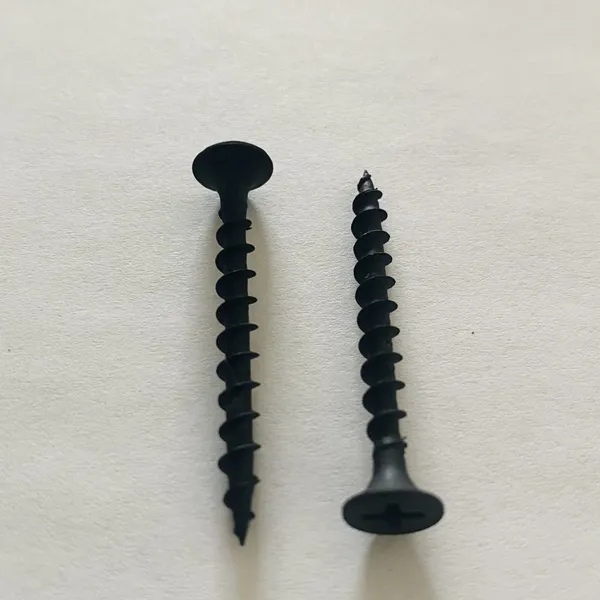
Coarse Thread Drywall ScrewNegotiableMOQ: 1000 Pieces
-
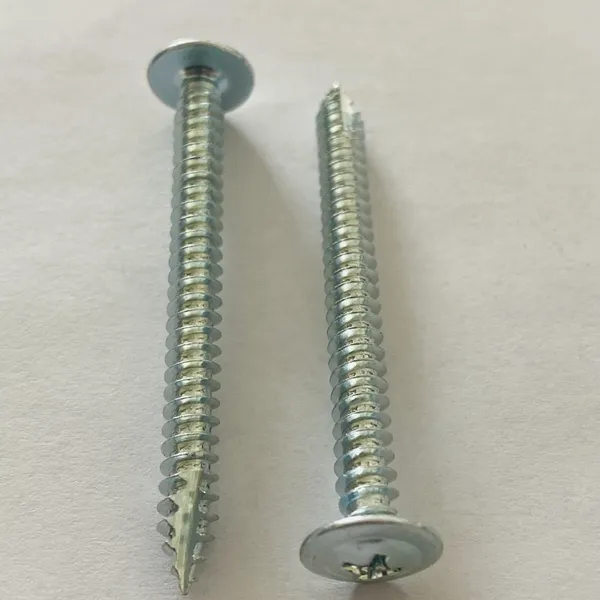
Wafer Head Phillips Thread-Cutting Self-Tapping ScrewNegotiableMOQ: 1000 Pieces
-
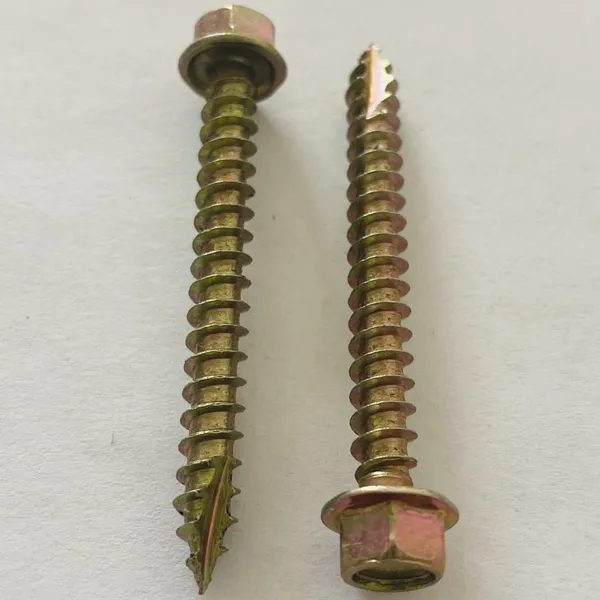
Hex Washer Head Thread-Cutting Self-Tapping ScrewNegotiableMOQ: 1000 Pieces
-
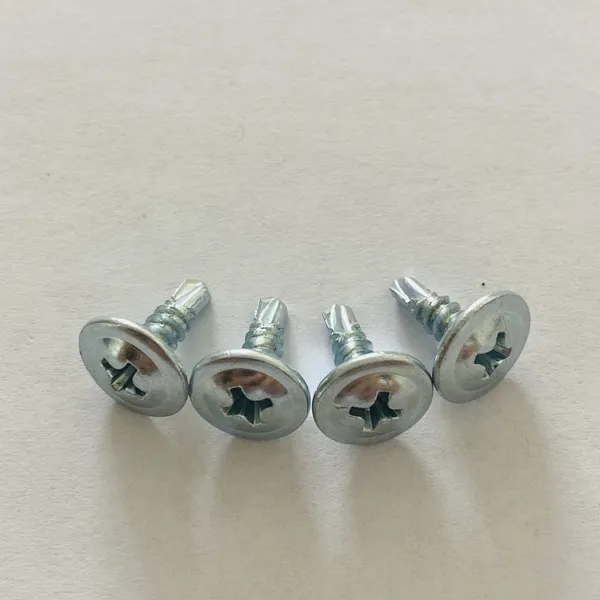
Wafer Head Phillips Self-Drilling ScrewNegotiableMOQ: 1000 Pieces
-
Pan Head Phillips Self-Drilling ScrewNegotiableMOQ: 1000 Pieces
-
Hex Washer Head Self-Drilling ScrewNegotiableMOQ: 1000 Pieces
-
Bugle Head Phillips Drive Metric Self-Drilling ScrewNegotiableMOQ: 1000 Pieces
-
Countersunk Phillips Head Self-Drilling ScrewNegotiableMOQ: 1000 Pieces
-
DIN 7981 Phillips Pan Head Self-Tapping ScrewNegotiableMOQ: 1000 Pieces
-
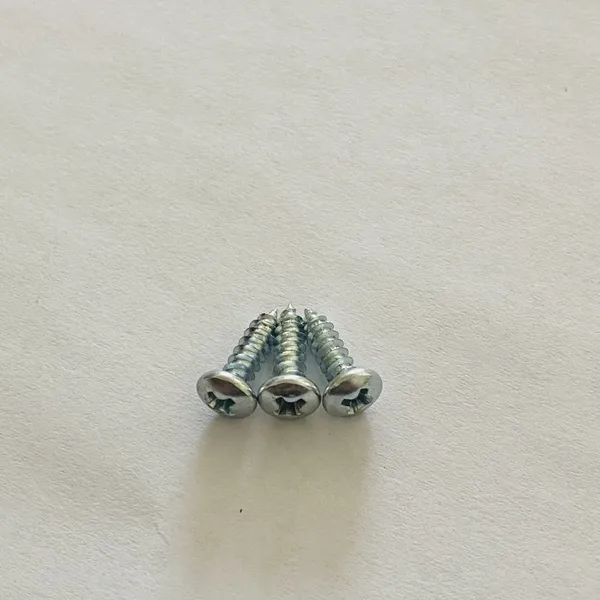
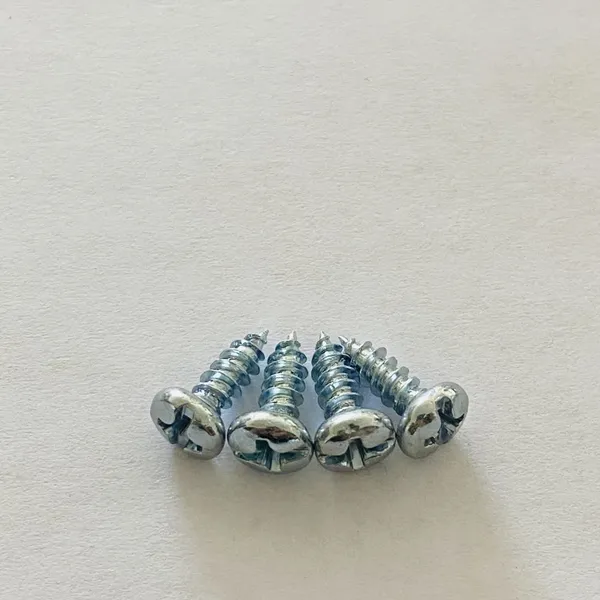
Pan Head Combination Drive Self-Tapping ScrewNegotiableMOQ: 1000 Pieces
-
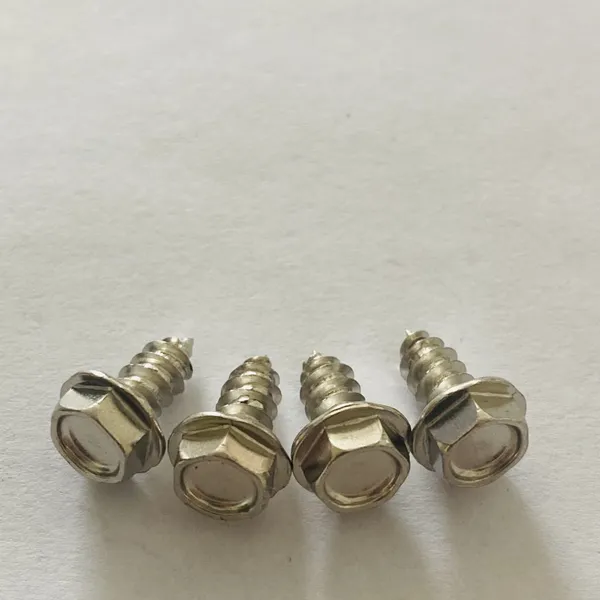
Hex Washer Head Self-Tapping ScrewNegotiableMOQ: 1000 Pieces
-
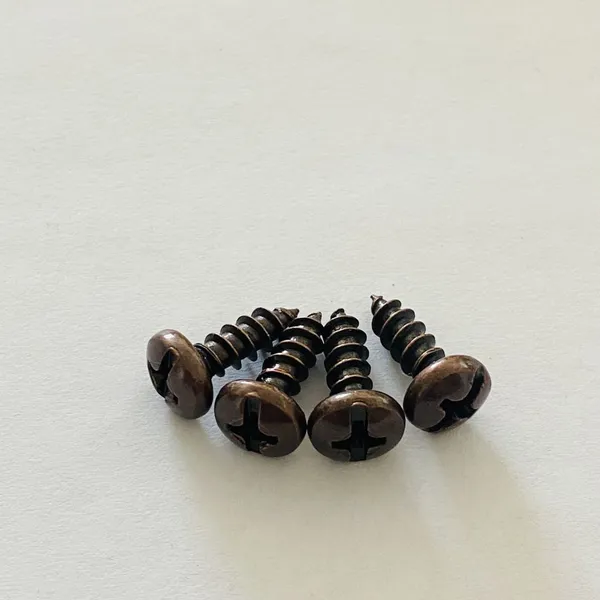
Copper-Plated Pan Head Combination Drive Self-Tapping Screw, Metric ThreadNegotiableMOQ: 1000 Pieces
-
Nickel-Plated DIN 7982 Countersunk Phillips Tapping ScrewNegotiableMOQ: 1000 Pieces
-
Large Flat Head Phillips Drive Self-Tapping Screw MetricNegotiableMOQ: 1000 Pieces
-
DIN 7997 Phillips/Pozidriv Countersunk Head Wood ScrewNegotiableMOQ: 1000 Pieces
-
DIN 97 Slotted Countersunk Flat Head Wood ScrewNegotiableMOQ: 1000 Pieces
-
American Imperial Countersunk Slotted Drive Wood ScrewNegotiableMOQ: 1000 Pieces