 Business License

Self-Tapping Screws for RTA Furniture: A Guide
The global ready-to-assemble (RTA) furniture market is experiencing sustained expansion. According to Mordor Intelligence, the RTA furniture market is valued at USD 17.58 billion in 2026 and is projected to grow to USD 25.24 billion by 2031, expanding at a CAGR of 7.36% [1]. This booming industry relies heavily on reliable fasteners to ensure structural integrity and ease of assembly for the end consumer. For manufacturers and distributors of furniture fitting kits, understanding what screws to use for chipboard furniture assembly is essential for product success.
The Unique Demands of Particle Board and Chipboard
Unlike solid wood, particle board and chipboard are engineered wood products composed of compressed wood chips and resin. While cost-effective, these materials are highly susceptible to splitting, stripping, and crumbling if the wrong fasteners are applied.
Standard wood screws often have a thick shank and shallow threads that displace too much material, causing the chipboard to fracture. To achieve a secure joint without damaging the substrate, specialized self-tapping screws—specifically designed for chipboard—must be utilized.
What Screws to Use for Chipboard Furniture Assembly
Selecting the correct fastener prevents manufacturing defects and reduces customer returns. When determining what screws to use for chipboard furniture assembly, consider the following critical features:
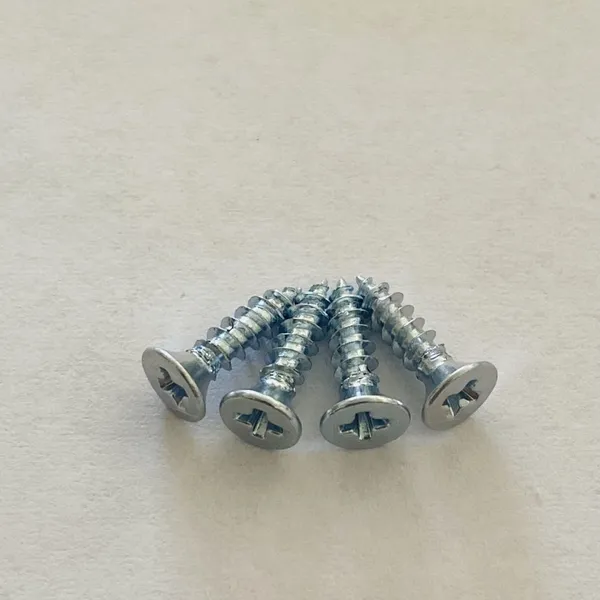
1. Deep, Coarse Threads: Chipboard requires self-tapping screws with deep, widely spaced threads. This design maximizes the surface area engaged with the composite material, providing superior pull-out resistance compared to fine-thread screws.
2. Thin Shank Design: A thinner core diameter minimizes the volume of material displaced during insertion, drastically reducing the internal pressure that causes chipboard to split.
3. Nibbed Countersunk Heads: For a flush finish, select screws with nibs (small cutting ribs) under the head. These nibs carve away the surface material as the screw seats, preventing the brittle laminate or melamine finish from cracking.
4. Optimized Drive Types: While Phillips heads are common, Pozi or Torx (Star) drives are highly recommended for RTA furniture. They offer better torque transfer and reduce cam-out, making manual assembly much easier for the end consumer.
Step-by-Step Guide to Preventing Wood Splitting
Even with the correct self-tapping screws, proper installation techniques are necessary to ensure a durable joint in RTA furniture:
1. Pre-Drill Pilot Holes: Always pre-drill a pilot hole slightly smaller than the root diameter of the screw. This guides the screw and relieves material tension.
2. Control Installation Torque: When using power tools, set the clutch to a low torque setting. Over-tightening will strip the composite material, rendering the joint useless.
3. Ensure Perpendicular Alignment: Drive the screw perfectly straight. Angled insertion stresses the edge of the chipboard and increases the likelihood of breakout.
Optimizing Furniture Fitting Kits for End-Users
For hardware distributors supplying the RTA furniture sector, packaging is just as important as the screws themselves. Furniture manufacturers require precise fitting kits containing exact quantities of hardware. Sourcing self-tapping screws in customized small packs—such as polybags or blister packs containing exactly 4, 8, or 12 pieces—streamlines the furniture manufacturer's assembly line and ensures the end-user receives exactly what they need for a frustration-free build.
FAQ:
Q: Are chipboard screws the same as standard wood screws?
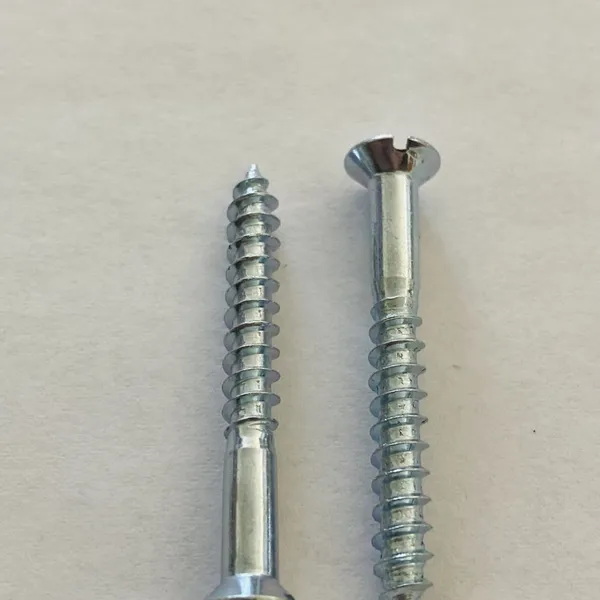
A: No. Chipboard screws are a specialized type of self-tapping screws featuring an asymmetrical, coarse thread and a thinner shank designed specifically to grip engineered wood without causing it to split. Standard wood screws have a thicker unthreaded shank portion and are meant for solid timber.
Q: Can these screws be supplied in customized kits for furniture manufacturers?
A: Yes. Specialized fastener suppliers can provide highly customized packaging solutions, creating exact-count fitting kits that combine chipboard screws, dowels, and other necessary hardware in a single, ready-to-ship package.
References:
[1] Mordor Intelligence, "Ready To Assemble Furniture Market - Companies & Industry Manufacturers"
Recently Posted
-
How to Keep Self-Tapping Screws Rust-Free
July 22, 2026From securing HVAC ductwork on commercial rooftops to assembling outdoor agricultural enclosures, self-tapping screws are essential components in exterior construction. However, exposure to rain, humidity, and atmospheric pollutants makes these fasteners highly susceptible to corrosion. A rusted fastener not only looks unprofessional but severely compromises structural safety. This guide details the science of corrosion and eRead More -
Choosing Self-Tapping Screws for Metal Roofing
July 21, 2026Metal roofing is prized for its longevity and durability, but a roof is only as secure as the fasteners holding it together. Using the wrong hardware can lead to leaks, rust, and catastrophic panel failure during high winds. For contractors and distributors, understanding how to choose self-tapping screws for metal roofing panels is critical to ensuring a watertight, long-lasting installation.The Impact of Weather on Metal RoRead More -
Stop Self-Tapping Screws Stripping in Metal
July 17, 2026In metal fabrication and HVAC installation, efficiency is paramount. Self-tapping screws are designed to accelerate workflows by eliminating the need for pre-tapped holes. However, one of the most common and costly issues encountered on the job site is thread stripping. When a screw strips the metal, the joint loses its structural integrity, requiring time-consuming repairs. This guide explains the mechanics of thread engagemRead More -
Private Label Self-Tapping Screws: A Case Study
July 15, 2026In the highly competitive hardware retail sector, protecting profit margins while delivering value to end-users is a constant balancing act. For a mid-sized hardware distributor in Latin America, the traditional model of importing bulk fasteners was eroding profitability. This case study explores how transitioning to private label, small-pack self-tapping screws transformed their business model, providing a blueprint for howRead More

Contact Us
Recommended Products
-
 Double Countersunk Pozidriv Drive Chipboard ScrewNegotiableMOQ: 1000 Pieces
 -
Double Countersunk Torx Drive Chipboard ScrewNegotiableMOQ: 1000 Pieces
-
Fine Thread Drywall Screw With Bugle Head and Phillips Drive for Metal StudsNegotiableMOQ: 1000 Pieces
-
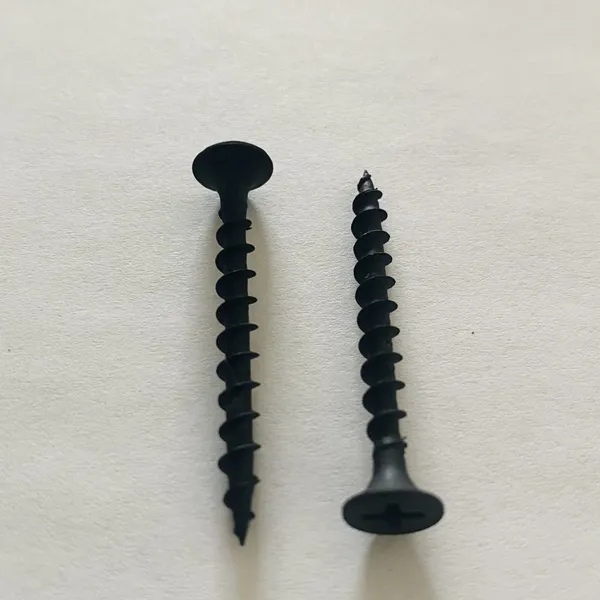
Coarse Thread Drywall ScrewNegotiableMOQ: 1000 Pieces
-
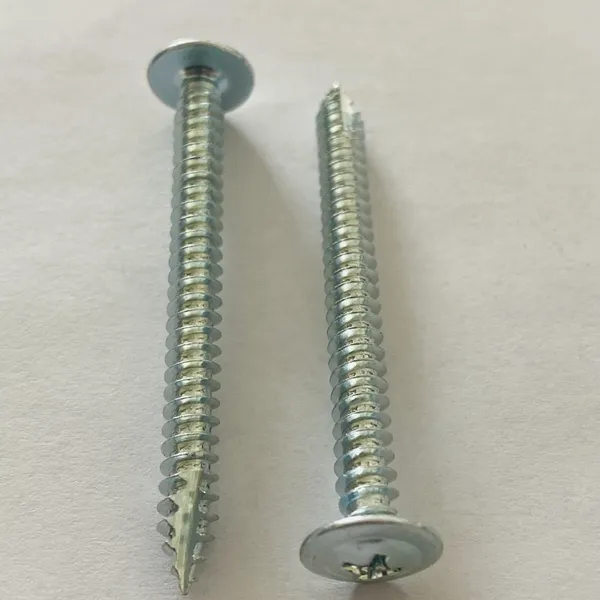
Wafer Head Phillips Thread-Cutting Self-Tapping ScrewNegotiableMOQ: 1000 Pieces
-
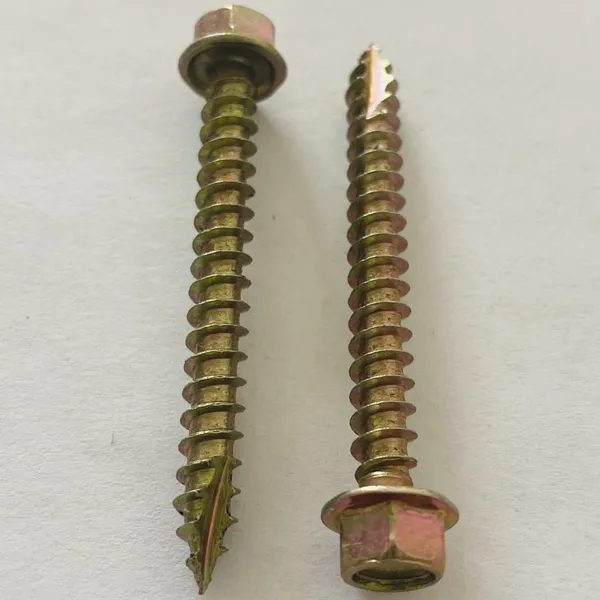
Hex Washer Head Thread-Cutting Self-Tapping ScrewNegotiableMOQ: 1000 Pieces
-
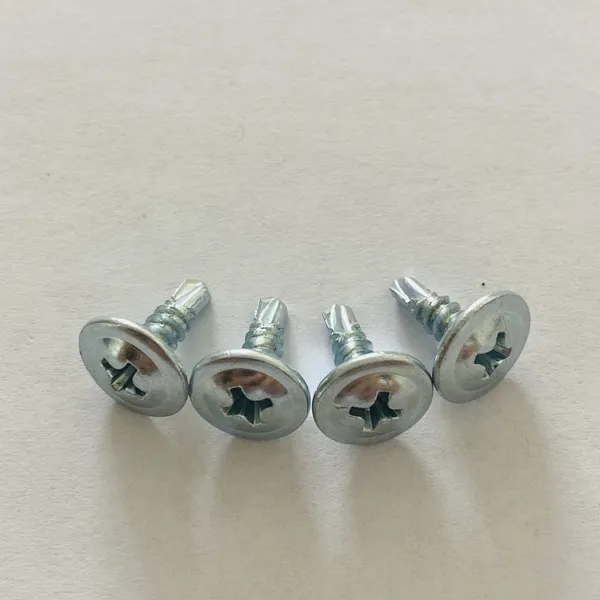
Wafer Head Phillips Self-Drilling ScrewNegotiableMOQ: 1000 Pieces
-
Pan Head Phillips Self-Drilling ScrewNegotiableMOQ: 1000 Pieces
-
Hex Washer Head Self-Drilling ScrewNegotiableMOQ: 1000 Pieces
-
Bugle Head Phillips Drive Metric Self-Drilling ScrewNegotiableMOQ: 1000 Pieces
-
Countersunk Phillips Head Self-Drilling ScrewNegotiableMOQ: 1000 Pieces
-
DIN 7981 Phillips Pan Head Self-Tapping ScrewNegotiableMOQ: 1000 Pieces
-
Pan Head Combination Drive Self-Tapping ScrewNegotiableMOQ: 1000 Pieces
-
Hex Washer Head Self-Tapping ScrewNegotiableMOQ: 1000 Pieces
-
Copper-Plated Pan Head Combination Drive Self-Tapping Screw, Metric ThreadNegotiableMOQ: 1000 Pieces
-
Nickel-Plated DIN 7982 Countersunk Phillips Tapping ScrewNegotiableMOQ: 1000 Pieces
-
Large Flat Head Phillips Drive Self-Tapping Screw MetricNegotiableMOQ: 1000 Pieces
-
DIN 7997 Phillips/Pozidriv Countersunk Head Wood ScrewNegotiableMOQ: 1000 Pieces
-
DIN 97 Slotted Countersunk Flat Head Wood ScrewNegotiableMOQ: 1000 Pieces
-
American Imperial Countersunk Slotted Drive Wood ScrewNegotiableMOQ: 1000 Pieces