 Business License

Self-Tapping Screws: 2026 Fastener Market Trends
The global manufacturing and construction sectors are experiencing a robust recovery in 2026, driving unprecedented demand for reliable industrial components. For hardware distributors and importers, securing a stable supply of self-tapping screws has become a critical operational priority. This article explores the latest market dynamics and provides actionable insights on how to navigate fastener supply chain disruptions with self-tapping screws, ensuring that your inventory meets the exacting standards of modern buyers.
The $113 Billion Fastener Market Landscape
The industrial fasteners market is undergoing significant expansion. According to a 2026 report by Mordor Intelligence, the global industrial fasteners market is projected to expand from USD 92.13 billion in 2026 to USD 113.33 billion by 2031, registering a compound annual growth rate (CAGR) of 4.23% [1]. This growth is heavily concentrated in the Asia Pacific region, which currently represents the largest market share, while the Middle East is emerging as the fastest-growing market with a projected 5.26% CAGR.
Furthermore, Grand View Research highlights that the specific segment for self-drilling and self-tapping screws was valued at USD 813.9 million in 2025 and is expected to reach USD 1,182.9 million by 2033 [2]. This surge is driven by a shift away from commodity hardware toward engineered, certified solutions that offer superior performance in demanding environments.
Shifting Demand Towards Quality Self-Tapping Screws
Modern construction and manufacturing applications require fasteners that deliver consistent performance without failure. The traditional approach of sourcing the absolute cheapest screws is rapidly losing favor. Instead, buyers are prioritizing quality metrics such as precise thread engagement, consistent case hardness, and reliable corrosion resistance.
High-quality self-tapping screws are manufactured using strictly controlled heat treatment processes to ensure the surface is hard enough to tap its own thread, while the core remains ductile enough to prevent brittle failure under stress. This focus on quality over lowest price is particularly evident among small-to-mid hardware distributors who recognize that product failures lead to costly returns and damaged reputations.
How to Navigate Fastener Supply Chain Disruptions with Self-Tapping Screws
Global supply chains remain susceptible to material shortages and logistical bottlenecks. To maintain a competitive edge, importers must adopt strategic sourcing practices. Here is how to navigate fastener supply chain disruptions with self-tapping screws effectively:
Partner with Specialized Manufacturers: Work with suppliers who focus exclusively on screw production rather than broad-spectrum fastener catalogs. Manufacturers with complete mold sizes for chipboard and self-tapping screws can adapt to order changes more swiftly.
2. Utilize Mixed-Container Consolidation: Instead of tying up capital in single-SKU bulk orders, leverage suppliers who offer mixed-container shipments. This allows you to stock a wider variety of sizes and types without overcommitting cash flow.
3. Demand Transparent Quality Control: Ensure your supplier adheres to international standards such as ANSI/ASME B18.6.4 and ISO 1478. Request documentation for salt spray testing and dimensional accuracy before authorizing shipments.
4. Prioritize Agile Packaging Solutions: Sourcing products that arrive retail-ready (e.g., in blister packs or color boxes) reduces domestic handling time and accelerates the path from port to point-of-sale.
Why Private Labeling is Winning in LatAm and Middle East Markets
Distributors in Latin America, the Middle East, and Africa are increasingly turning to private labeling to protect their margins and build brand loyalty. By sourcing customized, small-pack self-tapping screws directly from capable manufacturers, these distributors bypass regional wholesalers. Small packaging formats—such as hang cards containing just 2 to 10 pieces—cater perfectly to the growing DIY market and small-scale contractors who prefer purchasing exact quantities rather than bulk boxes.
FAQ:
Q: What is the typical minimum order quantity (MOQ) for customized small-pack screws?
A: While bulk orders often require tons per SKU, specialized manufacturers catering to private labels can offer flexible MOQs for small packaging, often accommodating mixed-container strategies that include blister packs or color boxes.
Q: How do mixed containers help with supply chain issues?
A: Mixed containers allow importers to consolidate multiple SKUs (e.g., drywall, chipboard, and self-tapping screws) into a single shipment. This reduces inventory holding costs, improves cash flow, and mitigates the risk of stockouts for high-demand items.
References:
[1] Mordor Intelligence, "Industrial Fasteners Market Size & Share Analysis - Growth Trends and Forecast (2026 - 2031)"
[2] Grand View Research, "Self-Drilling Screws Market Size, Share & Trends Analysis Report"
Recently Posted
-
How to Keep Self-Tapping Screws Rust-Free
July 22, 2026From securing HVAC ductwork on commercial rooftops to assembling outdoor agricultural enclosures, self-tapping screws are essential components in exterior construction. However, exposure to rain, humidity, and atmospheric pollutants makes these fasteners highly susceptible to corrosion. A rusted fastener not only looks unprofessional but severely compromises structural safety. This guide details the science of corrosion and eRead More -
Choosing Self-Tapping Screws for Metal Roofing
July 21, 2026Metal roofing is prized for its longevity and durability, but a roof is only as secure as the fasteners holding it together. Using the wrong hardware can lead to leaks, rust, and catastrophic panel failure during high winds. For contractors and distributors, understanding how to choose self-tapping screws for metal roofing panels is critical to ensuring a watertight, long-lasting installation.The Impact of Weather on Metal RoRead More -
Stop Self-Tapping Screws Stripping in Metal
July 17, 2026In metal fabrication and HVAC installation, efficiency is paramount. Self-tapping screws are designed to accelerate workflows by eliminating the need for pre-tapped holes. However, one of the most common and costly issues encountered on the job site is thread stripping. When a screw strips the metal, the joint loses its structural integrity, requiring time-consuming repairs. This guide explains the mechanics of thread engagemRead More -
Self-Tapping Screws for RTA Furniture: A Guide
July 16, 2026The global ready-to-assemble (RTA) furniture market is experiencing sustained expansion. According to Mordor Intelligence, the RTA furniture market is valued at USD 17.58 billion in 2026 and is projected to grow to USD 25.24 billion by 2031, expanding at a CAGR of 7.36% [1]. This booming industry relies heavily on reliable fasteners to ensure structural integrity and ease of assembly for the end consumer. For manufacturers anRead More

Contact Us
Recommended Products
-
 Double Countersunk Pozidriv Drive Chipboard ScrewNegotiableMOQ: 1000 Pieces
 -
Double Countersunk Torx Drive Chipboard ScrewNegotiableMOQ: 1000 Pieces
-
Fine Thread Drywall Screw With Bugle Head and Phillips Drive for Metal StudsNegotiableMOQ: 1000 Pieces
-
Coarse Thread Drywall ScrewNegotiableMOQ: 1000 Pieces
-
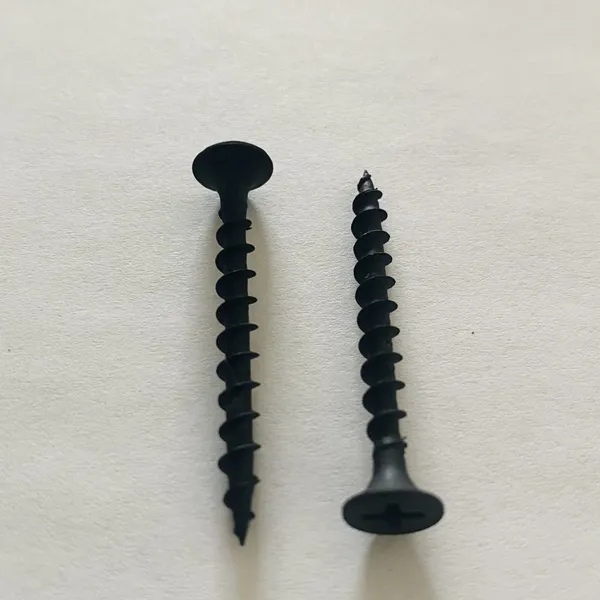
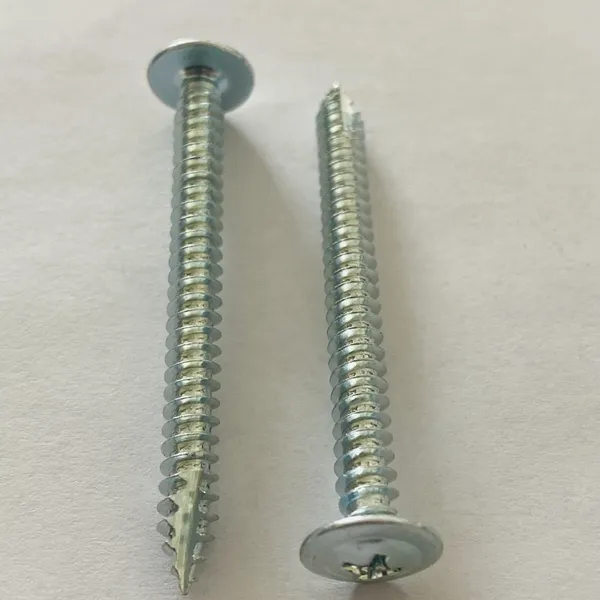
Wafer Head Phillips Thread-Cutting Self-Tapping ScrewNegotiableMOQ: 1000 Pieces
-
Hex Washer Head Thread-Cutting Self-Tapping ScrewNegotiableMOQ: 1000 Pieces
-
Wafer Head Phillips Self-Drilling ScrewNegotiableMOQ: 1000 Pieces
-
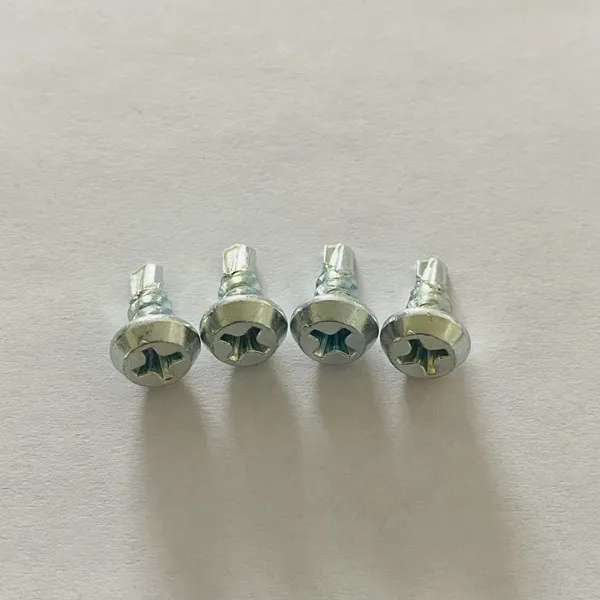
Pan Head Phillips Self-Drilling ScrewNegotiableMOQ: 1000 Pieces
-
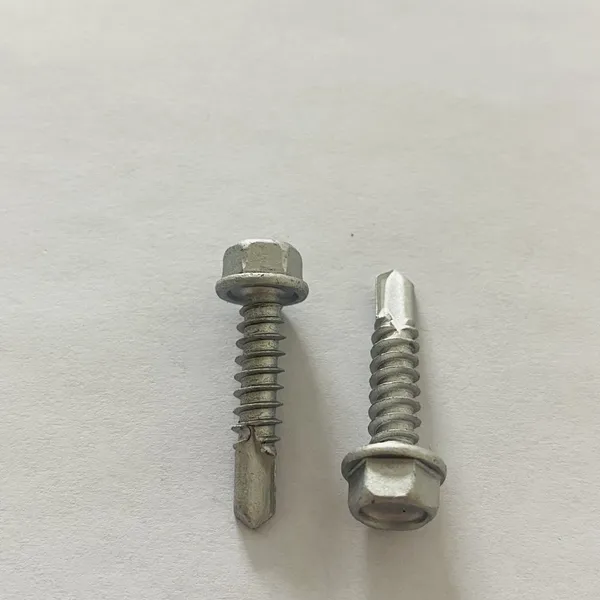
Hex Washer Head Self-Drilling ScrewNegotiableMOQ: 1000 Pieces
-
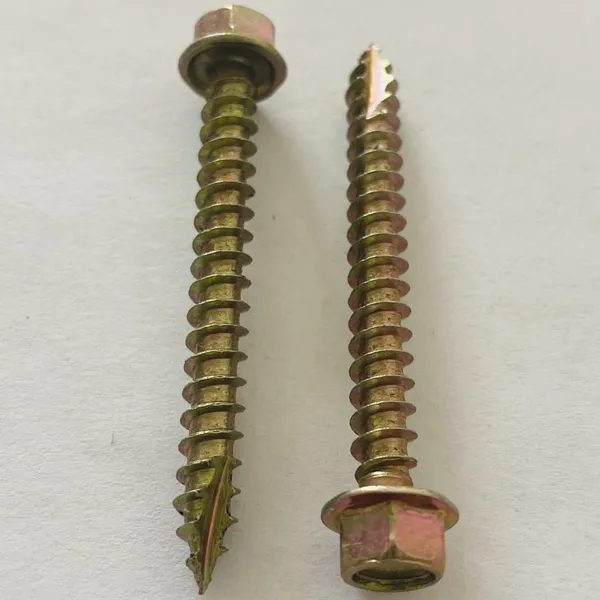
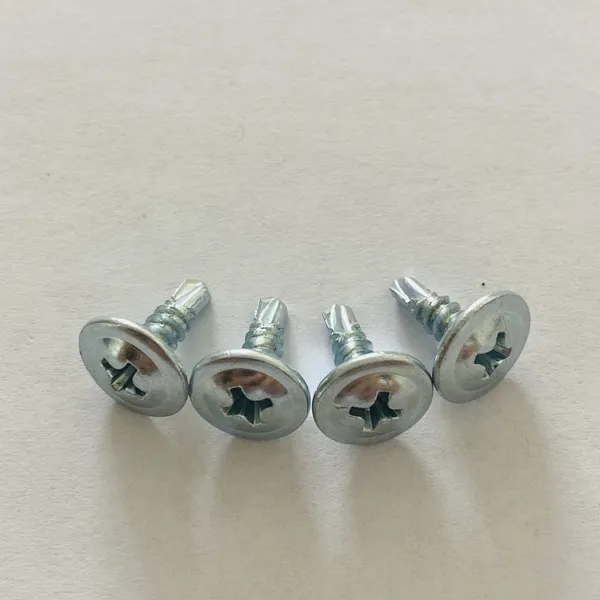
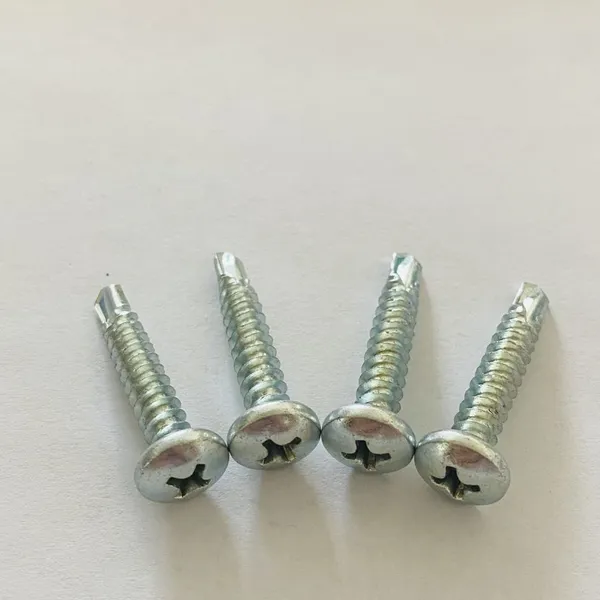
Bugle Head Phillips Drive Metric Self-Drilling ScrewNegotiableMOQ: 1000 Pieces
-
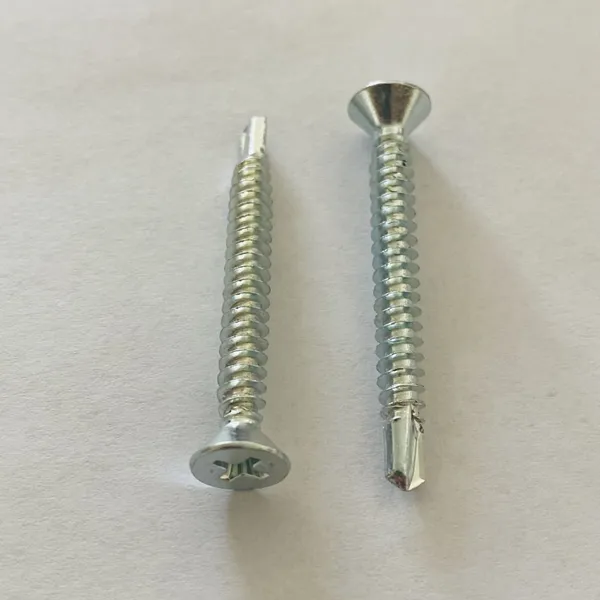
Countersunk Phillips Head Self-Drilling ScrewNegotiableMOQ: 1000 Pieces
-
DIN 7981 Phillips Pan Head Self-Tapping ScrewNegotiableMOQ: 1000 Pieces
-
Pan Head Combination Drive Self-Tapping ScrewNegotiableMOQ: 1000 Pieces
-
Hex Washer Head Self-Tapping ScrewNegotiableMOQ: 1000 Pieces
-
Copper-Plated Pan Head Combination Drive Self-Tapping Screw, Metric ThreadNegotiableMOQ: 1000 Pieces
-
Nickel-Plated DIN 7982 Countersunk Phillips Tapping ScrewNegotiableMOQ: 1000 Pieces
-
Large Flat Head Phillips Drive Self-Tapping Screw MetricNegotiableMOQ: 1000 Pieces
-
DIN 7997 Phillips/Pozidriv Countersunk Head Wood ScrewNegotiableMOQ: 1000 Pieces
-
DIN 97 Slotted Countersunk Flat Head Wood ScrewNegotiableMOQ: 1000 Pieces
-
American Imperial Countersunk Slotted Drive Wood ScrewNegotiableMOQ: 1000 Pieces