 Business License

Choosing Self-Tapping Screws for Metal Roofing
Metal roofing is prized for its longevity and durability, but a roof is only as secure as the fasteners holding it together. Using the wrong hardware can lead to leaks, rust, and catastrophic panel failure during high winds. For contractors and distributors, understanding how to choose self-tapping screws for metal roofing panels is critical to ensuring a watertight, long-lasting installation.
The Impact of Weather on Metal Roofing Fasteners
Roofing fasteners are exposed to severe environmental stressors, including ultraviolet radiation, extreme temperature fluctuations, and constant moisture. Over time, inferior screws will succumb to corrosion. When a fastener rusts, it not only compromises the structural connection but also causes unsightly rust streaks to bleed down the metal panels.
Furthermore, thermal expansion and contraction of the metal panels place constant shear stress on the fasteners. The self-tapping screws utilized must be robust enough to withstand this movement without shearing or backing out of the purlins.
Self-Tapping vs. Self-Drilling: What is the Difference?
While often used interchangeably in casual conversation, these are distinct products.
- Self-Tapping Screws: These fasteners have sharp threads designed to cut into the material, but they require a pre-drilled pilot hole to function effectively in metal.
- Self-Drilling Screws: A sub-category of self-tapping fasteners, these feature a specialized drill-bit point (often designated as #2, #3, or #4 points) that allows them to drill their own hole and tap the threads in a single operation.
For modern metal roofing attached to metal purlins, self-drilling screws are the industry standard due to the massive labor savings they provide.
How to Choose Self-Tapping Screws for Metal Roofing Panels
Selecting the right fastener involves evaluating the substrate, the environment, and the panel design:
1. Evaluate the Coating: Standard zinc plating is insufficient for exterior roofing. Look for self-tapping screws with advanced mechanical galvanizing or proprietary multi-layer polymer coatings that pass rigorous ASTM B117 salt spray testing. For coastal environments, 410 stainless steel screws (which are hardenable for drilling) or 304 stainless screws (used with pre-drilled holes) are necessary.
2. Demand EPDM Washers: A roofing screw must create a watertight seal. Ensure the fasteners are equipped with high-quality EPDM (Ethylene Propylene Diene Monomer) rubber washers. EPDM remains flexible under UV exposure and extreme temperatures, unlike cheaper neoprene which degrades quickly.
3. Select the Correct Head Style: Hex washer heads (typically 1/4" or 5/16") are the standard for metal roofing. They provide a stable surface for the driving tool, reducing cam-out and ensuring the washer is compressed evenly.
4. Match the Drill Point to the Substrate: If attaching panels to wood decking, a sharp-point Type A or Type 17 screw is appropriate. If attaching to heavy-gauge steel purlins, specify a self-drilling point (e.g., #3 point) capable of penetrating the steel thickness without burning out.
Best Practices for Roofing Screw Installation
Even premium self-tapping screws will leak if installed incorrectly. The key is proper washer compression.
- Under-driven: The washer does not make full contact with the panel, allowing water to seep under the head.
- Over-driven: The washer is crushed and bulges out past the metal flange, breaking the seal and exposing the rubber to rapid UV degradation.
- Correctly Driven: The screw is seated firmly, and the EPDM washer is visibly compressed but remains entirely beneath the metal flange of the screw head.
FAQ:
Q: How long should the anti-corrosion coating on roofing screws last?
A: High-quality, mechanically galvanized or polymer-coated roofing screws are designed to match the lifespan of the metal roofing panels themselves, often warranted for 20 to 40 years depending on the environment.
Q: Can I use regular galvanized screws for metal roofing?
A: No. Standard electro-galvanized screws offer minimal corrosion resistance and will quickly rust when exposed to rain and weather. Always specify exterior-grade, highly coated fasteners for roofing applications.
Recently Posted
-
How to Keep Self-Tapping Screws Rust-Free
July 22, 2026From securing HVAC ductwork on commercial rooftops to assembling outdoor agricultural enclosures, self-tapping screws are essential components in exterior construction. However, exposure to rain, humidity, and atmospheric pollutants makes these fasteners highly susceptible to corrosion. A rusted fastener not only looks unprofessional but severely compromises structural safety. This guide details the science of corrosion and eRead More -
Stop Self-Tapping Screws Stripping in Metal
July 17, 2026In metal fabrication and HVAC installation, efficiency is paramount. Self-tapping screws are designed to accelerate workflows by eliminating the need for pre-tapped holes. However, one of the most common and costly issues encountered on the job site is thread stripping. When a screw strips the metal, the joint loses its structural integrity, requiring time-consuming repairs. This guide explains the mechanics of thread engagemRead More -
Self-Tapping Screws for RTA Furniture: A Guide
July 16, 2026The global ready-to-assemble (RTA) furniture market is experiencing sustained expansion. According to Mordor Intelligence, the RTA furniture market is valued at USD 17.58 billion in 2026 and is projected to grow to USD 25.24 billion by 2031, expanding at a CAGR of 7.36% [1]. This booming industry relies heavily on reliable fasteners to ensure structural integrity and ease of assembly for the end consumer. For manufacturers anRead More -
Private Label Self-Tapping Screws: A Case Study
July 15, 2026In the highly competitive hardware retail sector, protecting profit margins while delivering value to end-users is a constant balancing act. For a mid-sized hardware distributor in Latin America, the traditional model of importing bulk fasteners was eroding profitability. This case study explores how transitioning to private label, small-pack self-tapping screws transformed their business model, providing a blueprint for howRead More

Contact Us
Recommended Products
-
 Double Countersunk Pozidriv Drive Chipboard ScrewNegotiableMOQ: 1000 Pieces
 -
Double Countersunk Torx Drive Chipboard ScrewNegotiableMOQ: 1000 Pieces
-
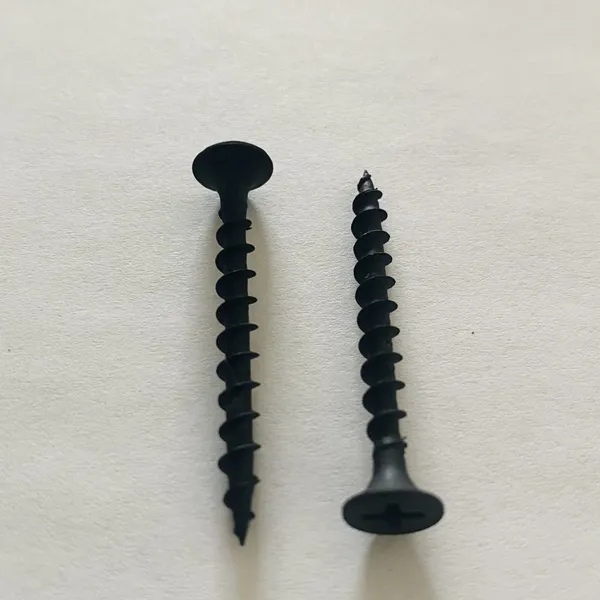
Fine Thread Drywall Screw With Bugle Head and Phillips Drive for Metal StudsNegotiableMOQ: 1000 Pieces
-
Coarse Thread Drywall ScrewNegotiableMOQ: 1000 Pieces
-
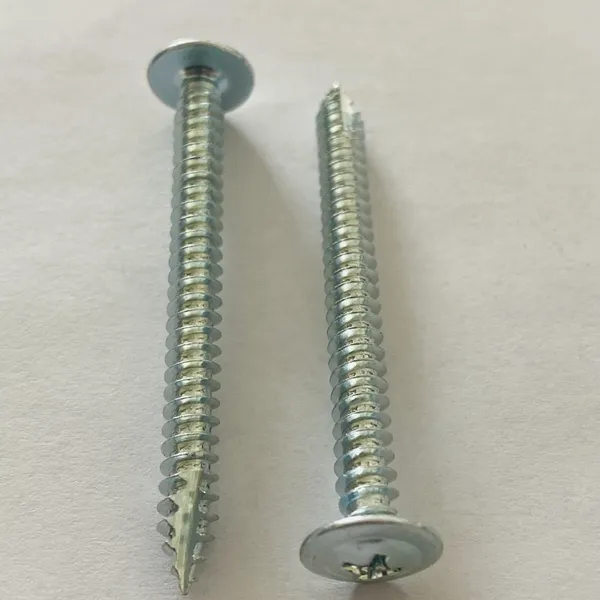
Wafer Head Phillips Thread-Cutting Self-Tapping ScrewNegotiableMOQ: 1000 Pieces
-
Hex Washer Head Thread-Cutting Self-Tapping ScrewNegotiableMOQ: 1000 Pieces
-
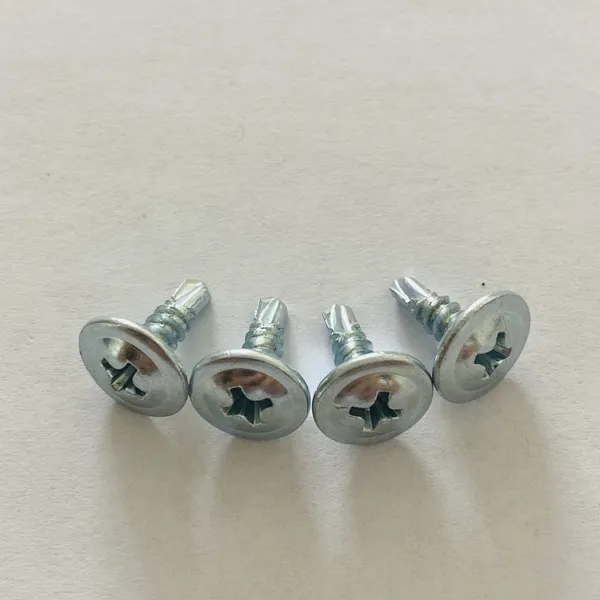
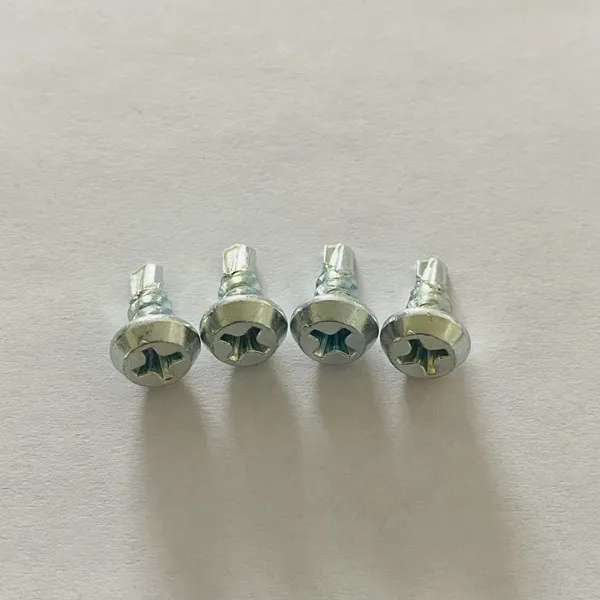
Wafer Head Phillips Self-Drilling ScrewNegotiableMOQ: 1000 Pieces
-
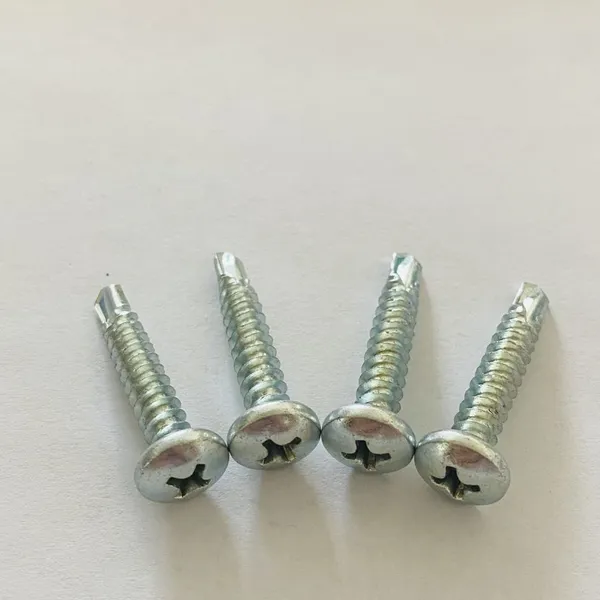
Pan Head Phillips Self-Drilling ScrewNegotiableMOQ: 1000 Pieces
-
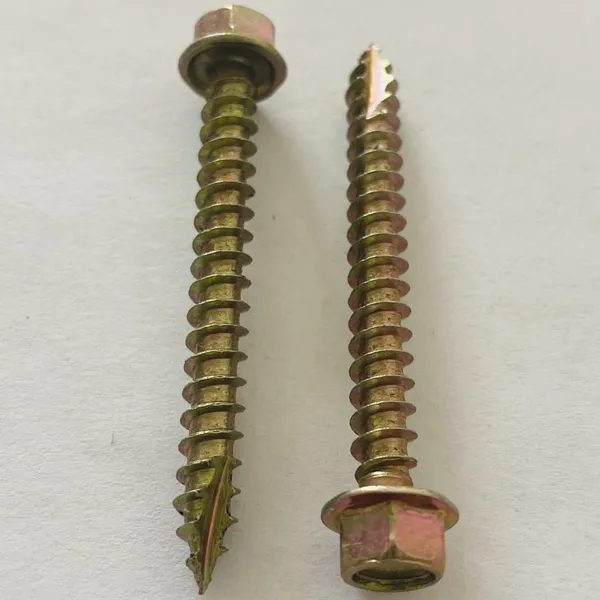
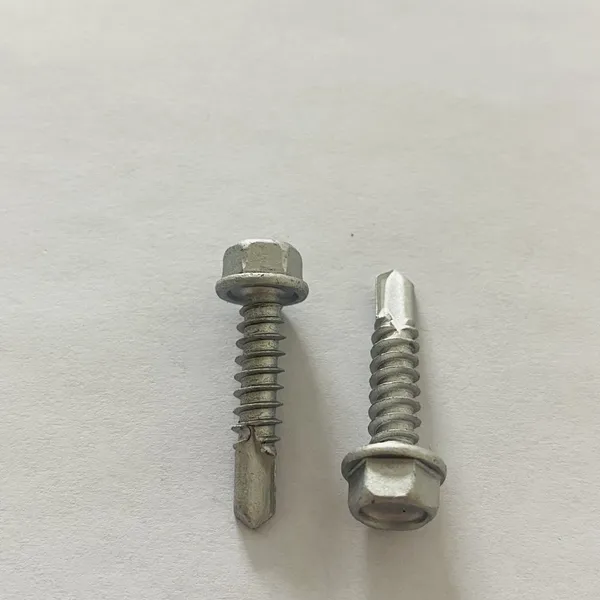
Hex Washer Head Self-Drilling ScrewNegotiableMOQ: 1000 Pieces
-
Bugle Head Phillips Drive Metric Self-Drilling ScrewNegotiableMOQ: 1000 Pieces
-
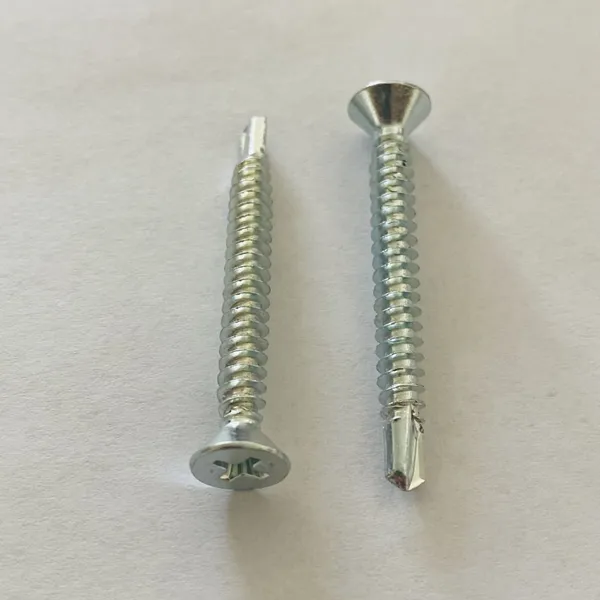
Countersunk Phillips Head Self-Drilling ScrewNegotiableMOQ: 1000 Pieces
-
DIN 7981 Phillips Pan Head Self-Tapping ScrewNegotiableMOQ: 1000 Pieces
-
Pan Head Combination Drive Self-Tapping ScrewNegotiableMOQ: 1000 Pieces
-
Hex Washer Head Self-Tapping ScrewNegotiableMOQ: 1000 Pieces
-
Copper-Plated Pan Head Combination Drive Self-Tapping Screw, Metric ThreadNegotiableMOQ: 1000 Pieces
-
Nickel-Plated DIN 7982 Countersunk Phillips Tapping ScrewNegotiableMOQ: 1000 Pieces
-
Large Flat Head Phillips Drive Self-Tapping Screw MetricNegotiableMOQ: 1000 Pieces
-
DIN 7997 Phillips/Pozidriv Countersunk Head Wood ScrewNegotiableMOQ: 1000 Pieces
-
DIN 97 Slotted Countersunk Flat Head Wood ScrewNegotiableMOQ: 1000 Pieces
-
American Imperial Countersunk Slotted Drive Wood ScrewNegotiableMOQ: 1000 Pieces