 Business License

Private Label Self-Tapping Screws: A Case Study
In the highly competitive hardware retail sector, protecting profit margins while delivering value to end-users is a constant balancing act. For a mid-sized hardware distributor in Latin America, the traditional model of importing bulk fasteners was eroding profitability. This case study explores how transitioning to private label, small-pack self-tapping screws transformed their business model, providing a blueprint for how to boost retail margins with small-pack self-tapping screws.
The Challenge of Bulk Fastener Retail
Historically, the distributor imported self-tapping screws in large, 25-kilogram bulk cartons. While the unit cost per screw was low, the hidden operational costs were substantial. Retailers were forced to manually weigh and repackage the screws into generic plastic bags for local contractors and DIY enthusiasts.
This process was highly inefficient. It required significant labor hours, resulted in inventory shrinkage due to miscounting, and offered a poor customer experience. Furthermore, selling generic, unbranded fasteners meant competing solely on price, leaving the distributor vulnerable to undercutting by larger regional wholesalers.
How Small-Pack Customization Solved the Problem
To escape the commodity trap, the distributor partnered with a specialized manufacturer capable of providing comprehensive packaging customization. Instead of bulk cartons, they began importing self-tapping screws pre-packaged in branded blister packs, hang cards, and small color boxes, with quantities ranging from 2 to 50 pieces per pack.
This strategic shift completely eliminated the need for domestic repacking. The products arrived retail-ready, featuring the distributor's own brand logo, clear sizing information, and barcode integration. The high-quality presentation communicated reliability, allowing the products to command a premium price on the retail shelf.
How to Boost Retail Margins with Small-Pack Self-Tapping Screws
Implementing a successful private label strategy requires careful planning. Here is how to boost retail margins with small-pack self-tapping screws based on this successful model:
1. Identify High-Velocity SKUs: Analyze sales data to determine the most popular sizes and head types of self-tapping screws in your market. Focus your initial small-pack strategy on these high-demand items.
2. Design for the Retail Environment: Invest in professional packaging design. Hang cards and blister packs maximize pegboard space and encourage impulse purchases by DIYers who need a specific screw for a weekend project.
3. Leverage Mixed-Container Shipping: Work with a supplier who allows you to mix various small-pack SKUs within a single shipping container. This ensures you maintain a broad product offering without tying up excessive capital in a single size.
4. Emphasize Quality Assurance: Ensure the screws inside the premium packaging match the brand promise. Specify strict adherence to dimensional standards and robust corrosion-resistant coatings.
Real Results: 40% Margin Increase for a LatAm Distributor
The transition to private label small packs yielded dramatic financial results for the Latin American distributor. By eliminating domestic repacking labor and reducing inventory shrinkage, operational costs plummeted. More importantly, the branded, retail-ready self-tapping screws were sold at a higher perceived value.
Within twelve months, the distributor reported a 40% increase in gross profit margins across their fastener category. Retailers preferred stocking the branded packs because they looked professional and saved staff time, leading to stronger B2B relationships and increased market share.
FAQ:
Q: Does custom packaging significantly increase the lead time for orders?
A: Initial orders may require slightly longer lead times to finalize packaging design and produce the molds or printing plates. However, once established, reorders of small-pack self-tapping screws typically follow standard production schedules, especially with a dedicated manufacturing partner.
Q: Can I order very small quantities per pack, such as 2 or 4 pieces?
A: Yes. Advanced packaging capabilities allow for highly customized configurations, including micro-packs of 2 to 4 pieces. These are highly effective for furniture repair kits or specialized hardware applications where the end-user only needs a few exact pieces.
References:
[1] Mordor Intelligence, "Industrial Fasteners Market Size & Share Analysis - Growth Trends and Forecast (2026 - 2031)"
[2] Grand View Research, "Self-Drilling Screws Market Size, Share & Trends Analysis Report"
Recently Posted
-
How to Keep Self-Tapping Screws Rust-Free
July 22, 2026From securing HVAC ductwork on commercial rooftops to assembling outdoor agricultural enclosures, self-tapping screws are essential components in exterior construction. However, exposure to rain, humidity, and atmospheric pollutants makes these fasteners highly susceptible to corrosion. A rusted fastener not only looks unprofessional but severely compromises structural safety. This guide details the science of corrosion and eRead More -
Choosing Self-Tapping Screws for Metal Roofing
July 21, 2026Metal roofing is prized for its longevity and durability, but a roof is only as secure as the fasteners holding it together. Using the wrong hardware can lead to leaks, rust, and catastrophic panel failure during high winds. For contractors and distributors, understanding how to choose self-tapping screws for metal roofing panels is critical to ensuring a watertight, long-lasting installation.The Impact of Weather on Metal RoRead More -
Stop Self-Tapping Screws Stripping in Metal
July 17, 2026In metal fabrication and HVAC installation, efficiency is paramount. Self-tapping screws are designed to accelerate workflows by eliminating the need for pre-tapped holes. However, one of the most common and costly issues encountered on the job site is thread stripping. When a screw strips the metal, the joint loses its structural integrity, requiring time-consuming repairs. This guide explains the mechanics of thread engagemRead More -
Self-Tapping Screws for RTA Furniture: A Guide
July 16, 2026The global ready-to-assemble (RTA) furniture market is experiencing sustained expansion. According to Mordor Intelligence, the RTA furniture market is valued at USD 17.58 billion in 2026 and is projected to grow to USD 25.24 billion by 2031, expanding at a CAGR of 7.36% [1]. This booming industry relies heavily on reliable fasteners to ensure structural integrity and ease of assembly for the end consumer. For manufacturers anRead More

Contact Us
Recommended Products
-
 Double Countersunk Pozidriv Drive Chipboard ScrewNegotiableMOQ: 1000 Pieces
 -
Double Countersunk Torx Drive Chipboard ScrewNegotiableMOQ: 1000 Pieces
-
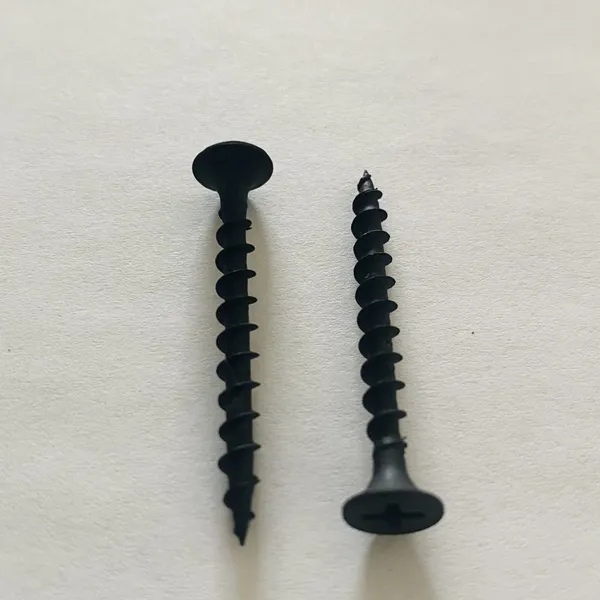
Fine Thread Drywall Screw With Bugle Head and Phillips Drive for Metal StudsNegotiableMOQ: 1000 Pieces
-
Coarse Thread Drywall ScrewNegotiableMOQ: 1000 Pieces
-
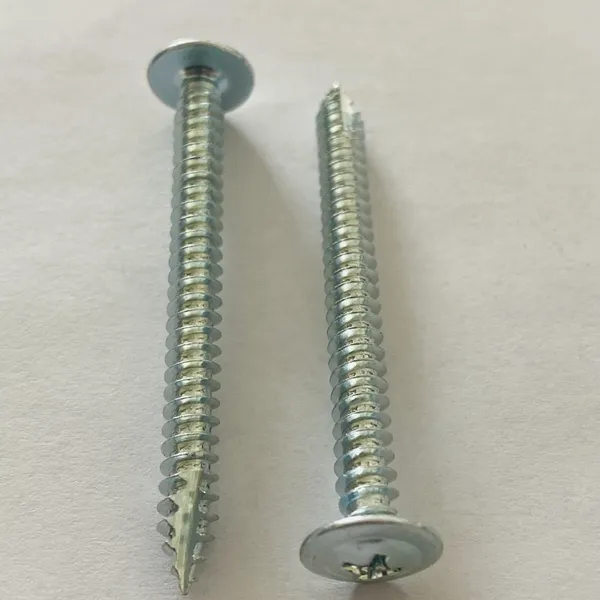
Wafer Head Phillips Thread-Cutting Self-Tapping ScrewNegotiableMOQ: 1000 Pieces
-
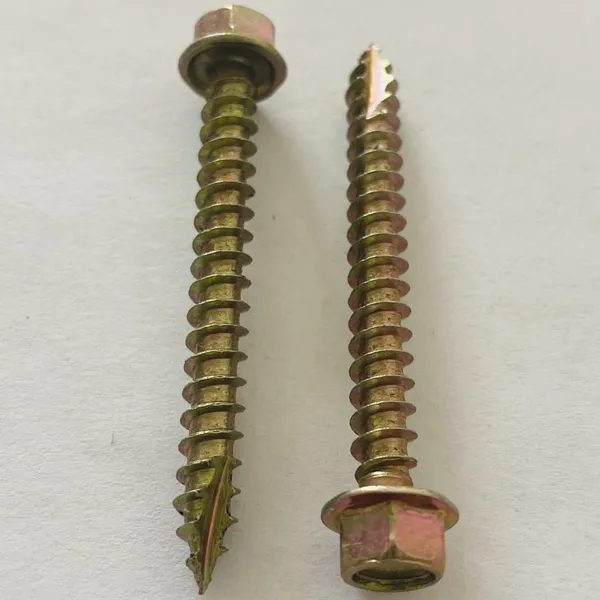
Hex Washer Head Thread-Cutting Self-Tapping ScrewNegotiableMOQ: 1000 Pieces
-
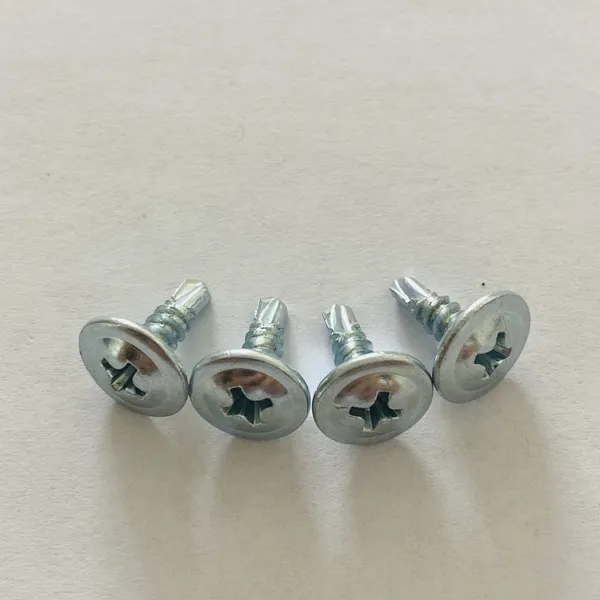
Wafer Head Phillips Self-Drilling ScrewNegotiableMOQ: 1000 Pieces
-
Pan Head Phillips Self-Drilling ScrewNegotiableMOQ: 1000 Pieces
-
Hex Washer Head Self-Drilling ScrewNegotiableMOQ: 1000 Pieces
-
Bugle Head Phillips Drive Metric Self-Drilling ScrewNegotiableMOQ: 1000 Pieces
-
Countersunk Phillips Head Self-Drilling ScrewNegotiableMOQ: 1000 Pieces
-
DIN 7981 Phillips Pan Head Self-Tapping ScrewNegotiableMOQ: 1000 Pieces
-
Pan Head Combination Drive Self-Tapping ScrewNegotiableMOQ: 1000 Pieces
-
Hex Washer Head Self-Tapping ScrewNegotiableMOQ: 1000 Pieces
-
Copper-Plated Pan Head Combination Drive Self-Tapping Screw, Metric ThreadNegotiableMOQ: 1000 Pieces
-
Nickel-Plated DIN 7982 Countersunk Phillips Tapping ScrewNegotiableMOQ: 1000 Pieces
-
Large Flat Head Phillips Drive Self-Tapping Screw MetricNegotiableMOQ: 1000 Pieces
-
DIN 7997 Phillips/Pozidriv Countersunk Head Wood ScrewNegotiableMOQ: 1000 Pieces
-
DIN 97 Slotted Countersunk Flat Head Wood ScrewNegotiableMOQ: 1000 Pieces
-
American Imperial Countersunk Slotted Drive Wood ScrewNegotiableMOQ: 1000 Pieces