 Business License

Stop Self-Tapping Screws Stripping in Metal
In metal fabrication and HVAC installation, efficiency is paramount. Self-tapping screws are designed to accelerate workflows by eliminating the need for pre-tapped holes. However, one of the most common and costly issues encountered on the job site is thread stripping. When a screw strips the metal, the joint loses its structural integrity, requiring time-consuming repairs. This guide explains the mechanics of thread engagement and provides actionable steps on how to stop self-tapping screws from stripping in sheet metal.
Understanding Thread Engagement in Thin Sheet Metal
The ability of self-tapping screws to hold securely depends entirely on the thickness of the metal and the design of the screw's thread. In thin sheet metal applications, there is very little material available for the threads to grip. According to industry standards such as ANSI/ASME B18.6.4, the screw must engage with enough material to resist pull-out forces.
When a screw is over-torqued, the mechanical advantage of the thread acts like a drill, shearing away the thin metal edges it just formed. This leaves a smooth, oversized hole where the screw simply spins without gripping.
Why Screws Strip: Common Installation Errors
Stripping is rarely a failure of the fastener itself; it is almost always an installation error. The most frequent causes include:
- Excessive RPMs: Driving screws at maximum speed generates excessive heat and momentum, making it impossible to stop the drill before the threads strip the metal.
- Incorrect Torque Settings: Using an impact driver or a drill without a properly adjusted clutch applies too much rotational force once the screw head seats against the material.
- Improper Screw Selection: Using a fine-thread machine screw instead of a specialized sheet metal screw reduces the amount of material trapped between the threads, weakening the joint.
How to Stop Self-Tapping Screws from Stripping in Sheet Metal
Preventing stripped threads requires a combination of the right tools, correct technique, and appropriate fastener selection:
1. Utilize Torque-Control Tools: Always use a drill/driver with an adjustable clutch. Set the clutch to the lowest setting that successfully seats the screw. If the clutch disengages before the screw is flush, increase the setting incrementally. Avoid using impact drivers for thin sheet metal, as they provide little tactile feedback.
2. Manage Tool Speed (RPM): Start driving the screw with firm, steady pressure at a moderate speed. As the screw head approaches the metal surface, feather the trigger to slow the RPMs, allowing the screw to seat gently without over-rotating.
3. Size Pilot Holes Accurately: If you are using standard self-tapping screws (not self-drilling), the pilot hole size is critical. A hole that is too large leaves insufficient metal for the threads to cut into. Consult manufacturer charts to match the drill bit size precisely to the gauge of the sheet metal and the diameter of the screw.
4. Apply Consistent Pressure: Maintain firm, perpendicular pressure on the back of the drill. If the bit wanders or the angle shifts as the screw bites, it can distort the hole and lead to immediate stripping.
Choosing the Right Thread Type
Selecting the correct thread profile is essential for thin metal applications. Type A threads feature a coarse pitch and a gimlet point, making them ideal for thin sheet metal (up to 0.050 inches thick). Type AB threads offer a slightly finer pitch but retain the gimlet point, providing excellent engagement in slightly thicker materials. Partnering with a knowledgeable supplier ensures you source the exact thread profile required for your specific application.
FAQ:
Q: What should I do if a self-tapping screw has already stripped the hole?
A: If a hole is stripped, the most reliable fix is to remove the spinning screw and replace it with a fastener that has a slightly larger diameter (e.g., replacing a #8 screw with a #10 screw). The larger threads will cut into fresh metal, restoring the joint's integrity.
Q: Can I use self-drilling screws to prevent stripping?
A: Self-drilling screws eliminate the need for a pilot hole, but they do not prevent stripping if over-torqued. In fact, because they require high RPMs to drill through the metal, users must be extra vigilant to reduce speed immediately once the drilling phase is complete and the threads begin to engage.
Recently Posted
-
How to Keep Self-Tapping Screws Rust-Free
July 22, 2026From securing HVAC ductwork on commercial rooftops to assembling outdoor agricultural enclosures, self-tapping screws are essential components in exterior construction. However, exposure to rain, humidity, and atmospheric pollutants makes these fasteners highly susceptible to corrosion. A rusted fastener not only looks unprofessional but severely compromises structural safety. This guide details the science of corrosion and eRead More -
Choosing Self-Tapping Screws for Metal Roofing
July 21, 2026Metal roofing is prized for its longevity and durability, but a roof is only as secure as the fasteners holding it together. Using the wrong hardware can lead to leaks, rust, and catastrophic panel failure during high winds. For contractors and distributors, understanding how to choose self-tapping screws for metal roofing panels is critical to ensuring a watertight, long-lasting installation.The Impact of Weather on Metal RoRead More -
Self-Tapping Screws for RTA Furniture: A Guide
July 16, 2026The global ready-to-assemble (RTA) furniture market is experiencing sustained expansion. According to Mordor Intelligence, the RTA furniture market is valued at USD 17.58 billion in 2026 and is projected to grow to USD 25.24 billion by 2031, expanding at a CAGR of 7.36% [1]. This booming industry relies heavily on reliable fasteners to ensure structural integrity and ease of assembly for the end consumer. For manufacturers anRead More -
Private Label Self-Tapping Screws: A Case Study
July 15, 2026In the highly competitive hardware retail sector, protecting profit margins while delivering value to end-users is a constant balancing act. For a mid-sized hardware distributor in Latin America, the traditional model of importing bulk fasteners was eroding profitability. This case study explores how transitioning to private label, small-pack self-tapping screws transformed their business model, providing a blueprint for howRead More

Contact Us
Recommended Products
-
 Double Countersunk Pozidriv Drive Chipboard ScrewNegotiableMOQ: 1000 Pieces
 -
Double Countersunk Torx Drive Chipboard ScrewNegotiableMOQ: 1000 Pieces
-
Fine Thread Drywall Screw With Bugle Head and Phillips Drive for Metal StudsNegotiableMOQ: 1000 Pieces
-
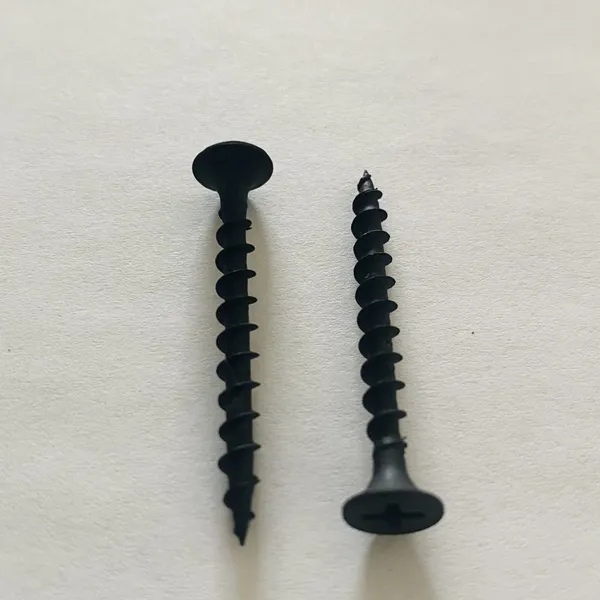
Coarse Thread Drywall ScrewNegotiableMOQ: 1000 Pieces
-
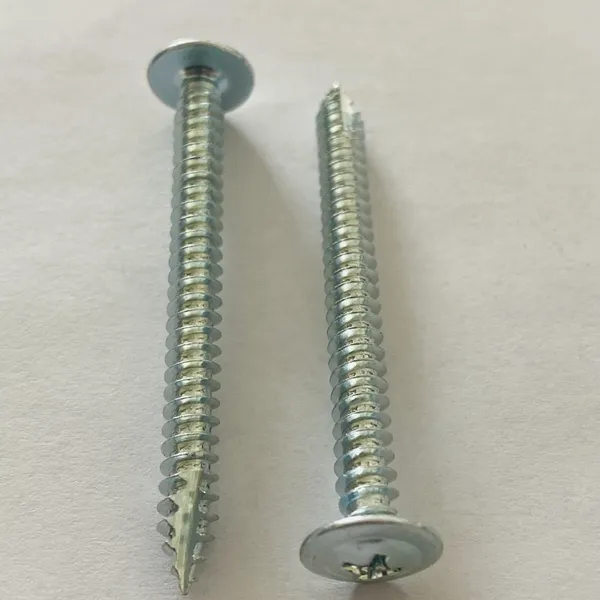
Wafer Head Phillips Thread-Cutting Self-Tapping ScrewNegotiableMOQ: 1000 Pieces
-
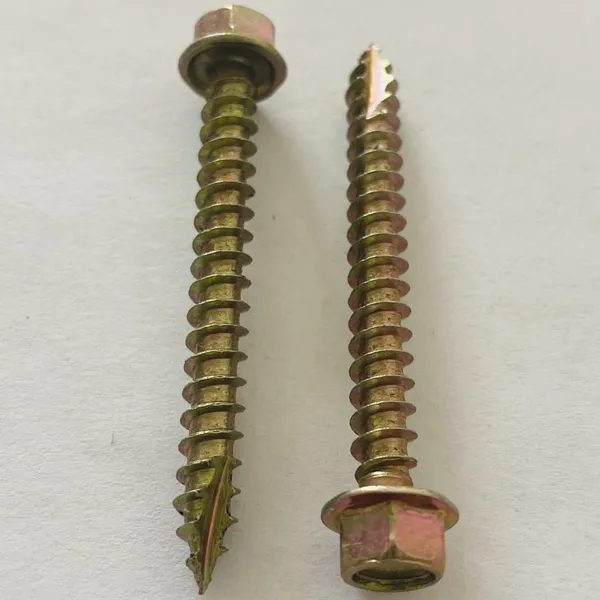
Hex Washer Head Thread-Cutting Self-Tapping ScrewNegotiableMOQ: 1000 Pieces
-
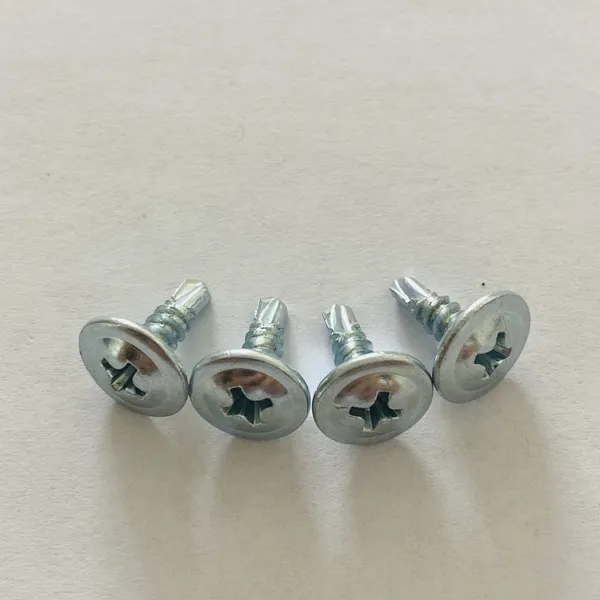
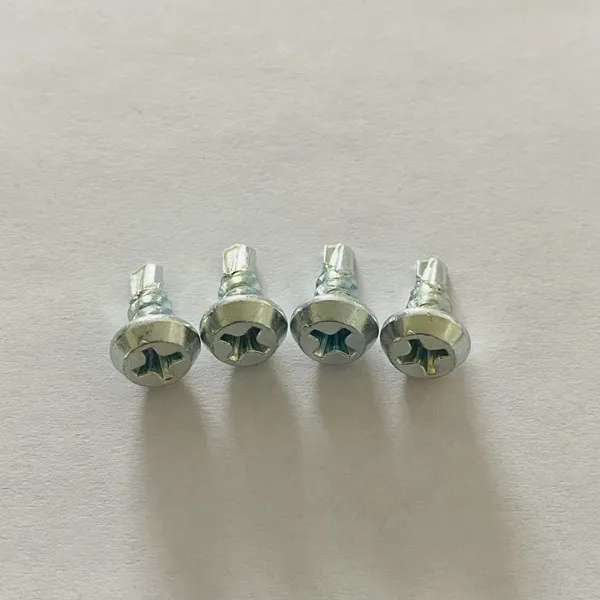
Wafer Head Phillips Self-Drilling ScrewNegotiableMOQ: 1000 Pieces
-
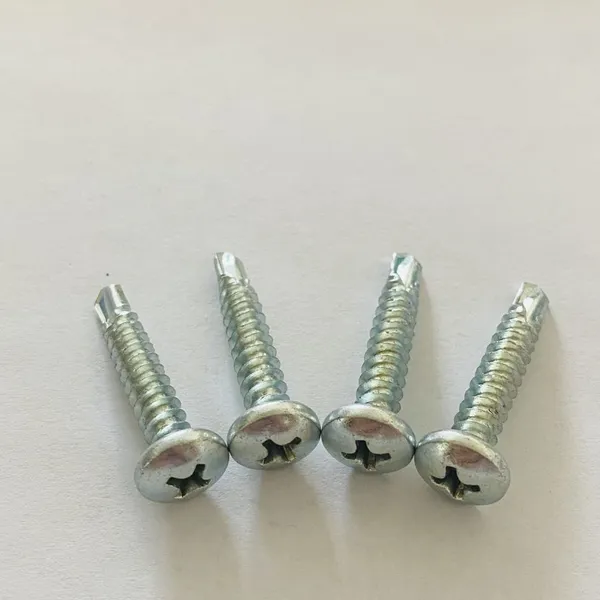
Pan Head Phillips Self-Drilling ScrewNegotiableMOQ: 1000 Pieces
-
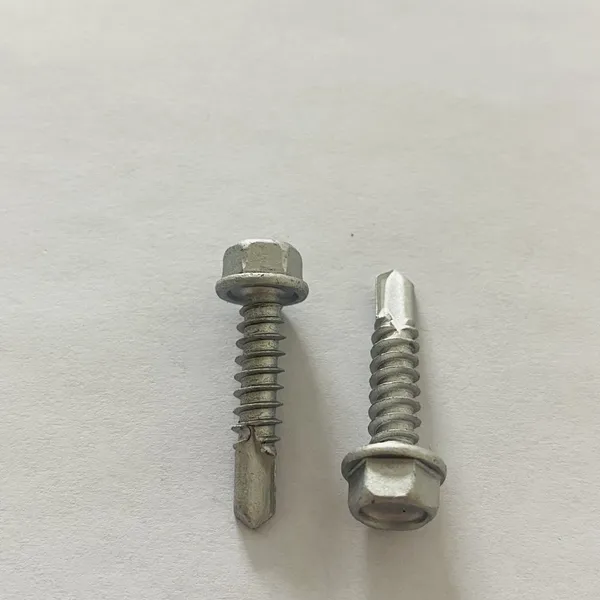
Hex Washer Head Self-Drilling ScrewNegotiableMOQ: 1000 Pieces
-
Bugle Head Phillips Drive Metric Self-Drilling ScrewNegotiableMOQ: 1000 Pieces
-
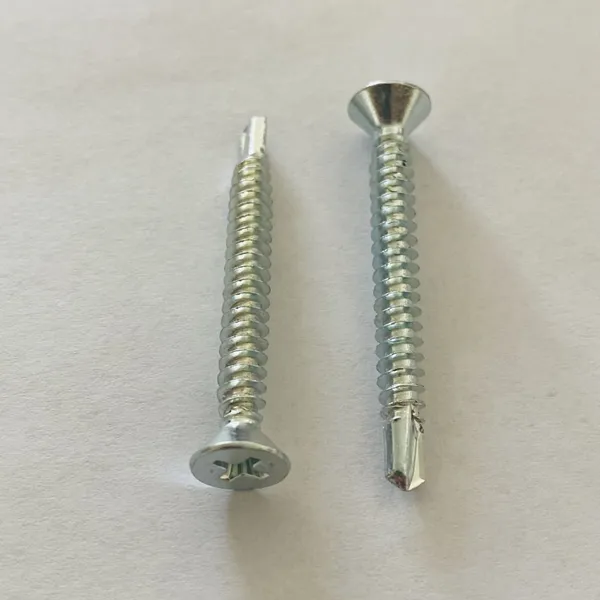
Countersunk Phillips Head Self-Drilling ScrewNegotiableMOQ: 1000 Pieces
-
DIN 7981 Phillips Pan Head Self-Tapping ScrewNegotiableMOQ: 1000 Pieces
-
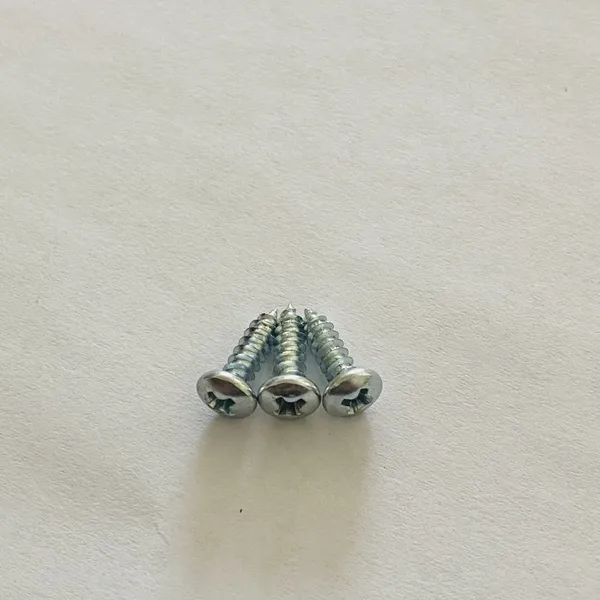
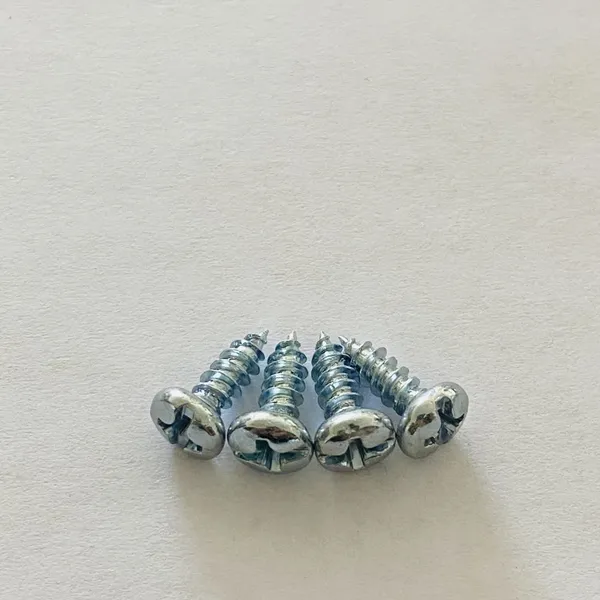
Pan Head Combination Drive Self-Tapping ScrewNegotiableMOQ: 1000 Pieces
-
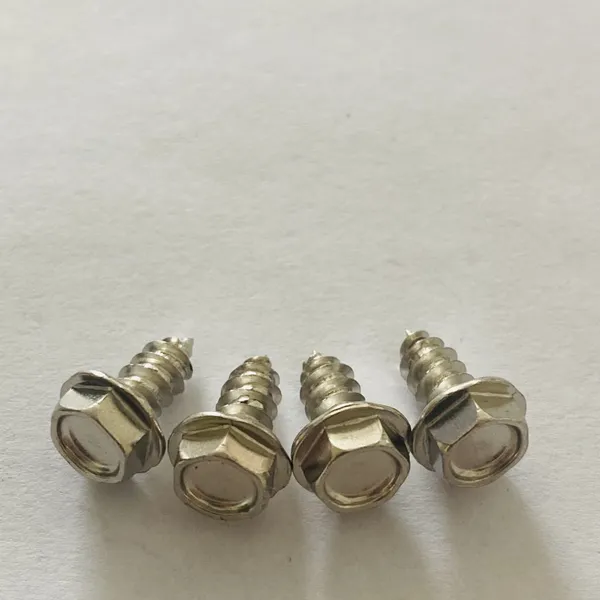
Hex Washer Head Self-Tapping ScrewNegotiableMOQ: 1000 Pieces
-
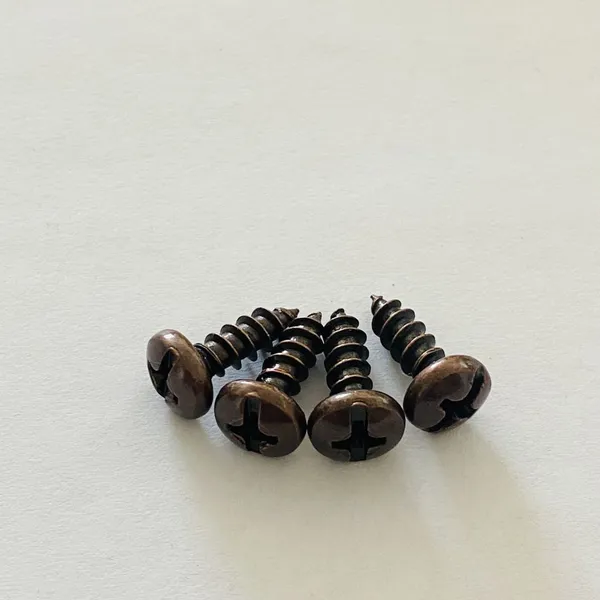
Copper-Plated Pan Head Combination Drive Self-Tapping Screw, Metric ThreadNegotiableMOQ: 1000 Pieces
-
Nickel-Plated DIN 7982 Countersunk Phillips Tapping ScrewNegotiableMOQ: 1000 Pieces
-
Large Flat Head Phillips Drive Self-Tapping Screw MetricNegotiableMOQ: 1000 Pieces
-
DIN 7997 Phillips/Pozidriv Countersunk Head Wood ScrewNegotiableMOQ: 1000 Pieces
-
DIN 97 Slotted Countersunk Flat Head Wood ScrewNegotiableMOQ: 1000 Pieces
-
American Imperial Countersunk Slotted Drive Wood ScrewNegotiableMOQ: 1000 Pieces